New Echota State Historic Site
(Calhoun, GA)
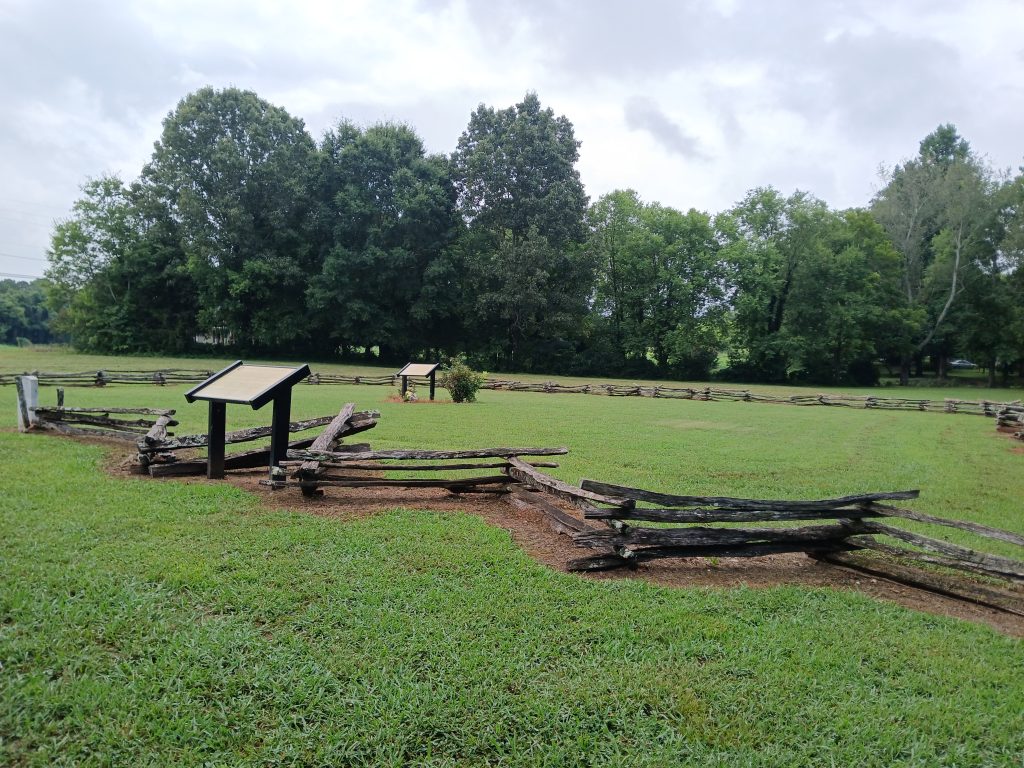
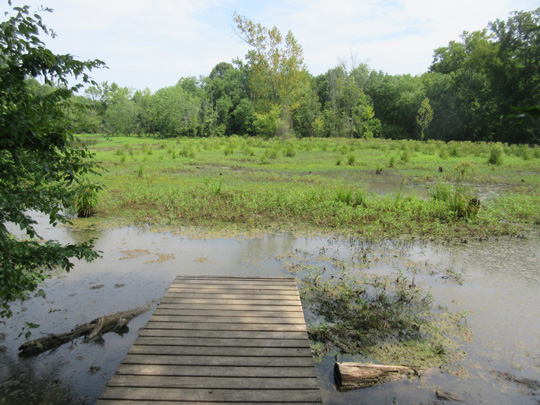
New Echota was the site that the Cherokee Indians set up as their seat of modern government in the 1800s with homes, farms, schools, and the first native language newspaper. Though successful for a time, the US government eventually forcefully relocated their whole people from New Echota (making it one of the starting points of the “Trail of Tears”) and nothing remains of the original site other than a mission house.
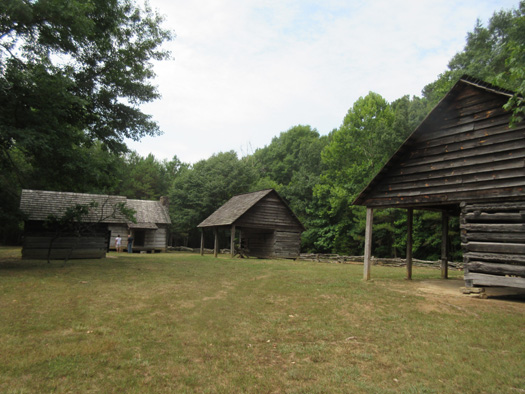
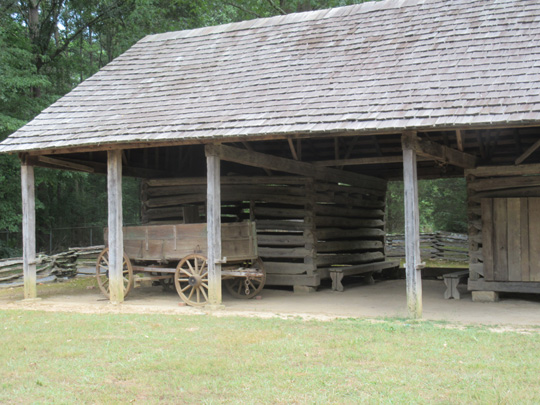
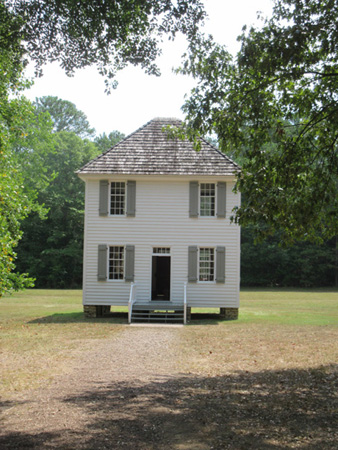
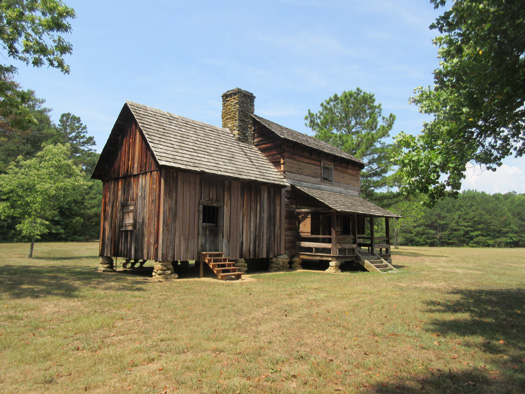
With the area now a historic site, however, some of the old town has been restored or other Cherokee historic buildings relocated to make a nice visit. Here you see the Vann Tavern, a Cherokee owned hotel and store that was relocated from another area in Georgia to show the types of buildings New Echota once held.
Dahlonega Gold Museum State Historic Site
(Dahlonega, GA)
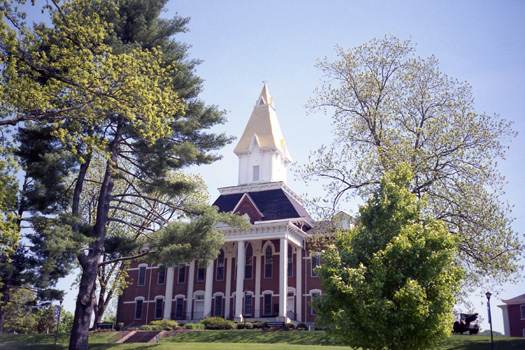
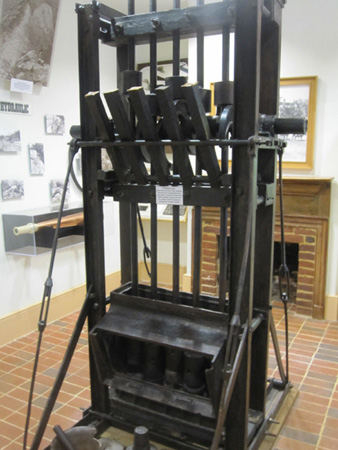
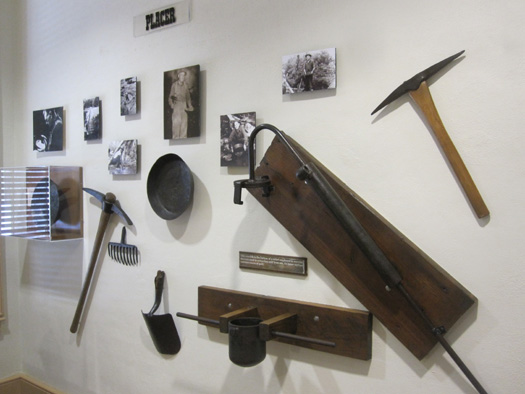
Dahlonega was the site of the Georgia mountain’s gold rush and this museum details that history. The building itself is capped with gold mined right from the region.
Hardman Farm State Historic Site
(Saute Nacoochee, GA)
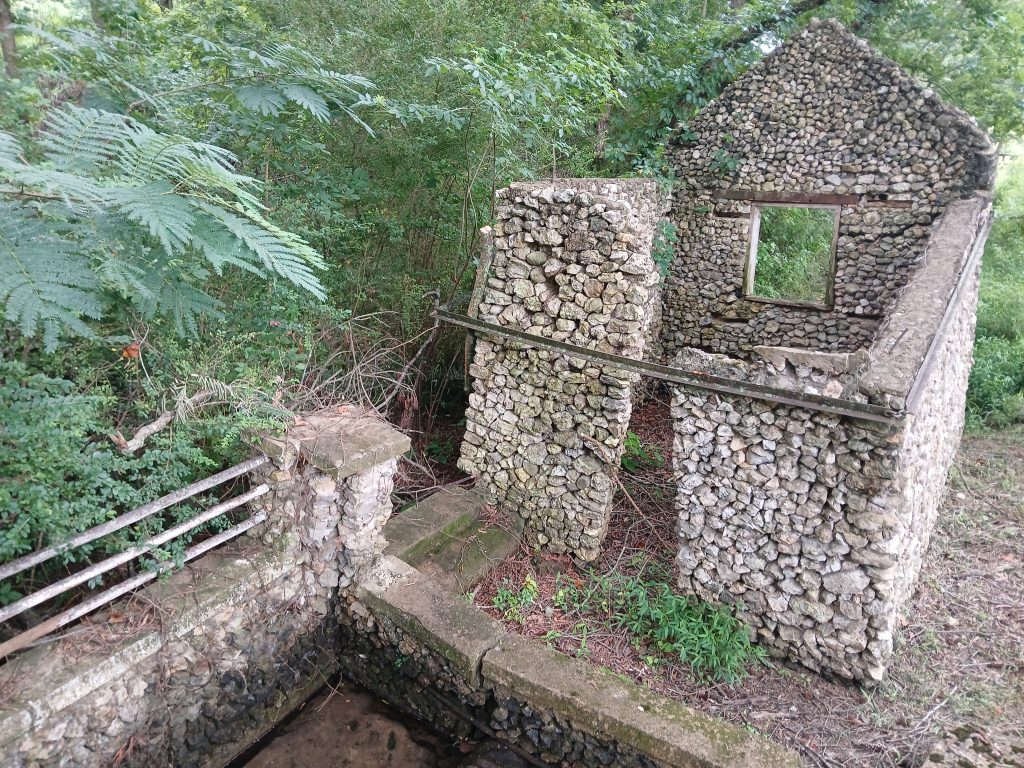
An old home from the 19th century complete with the remains of the dairy farm behind that operated well into the 1920s.

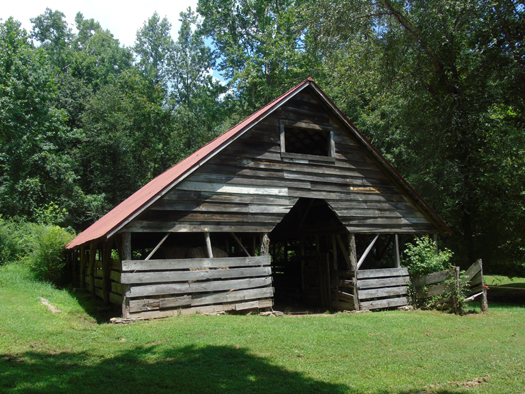
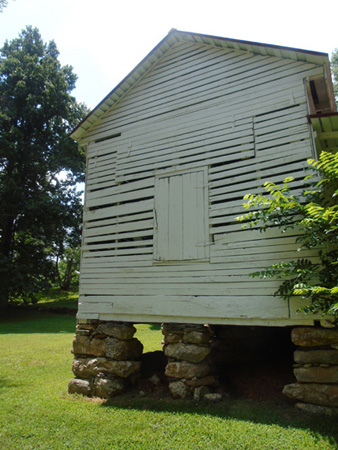
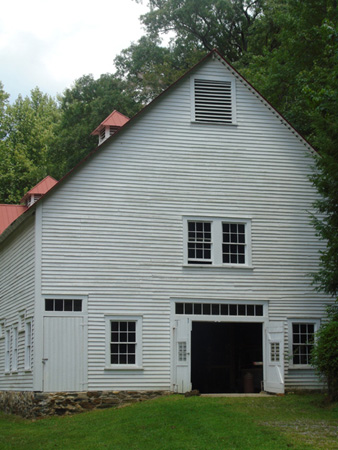
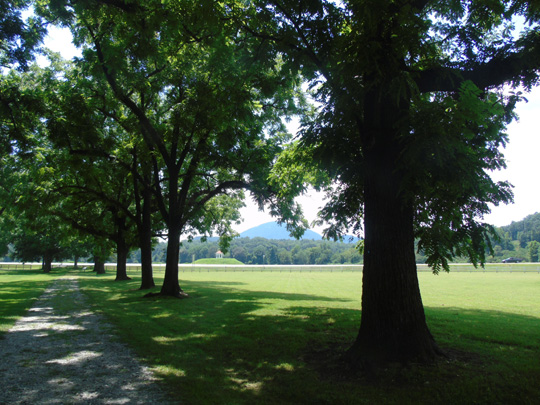
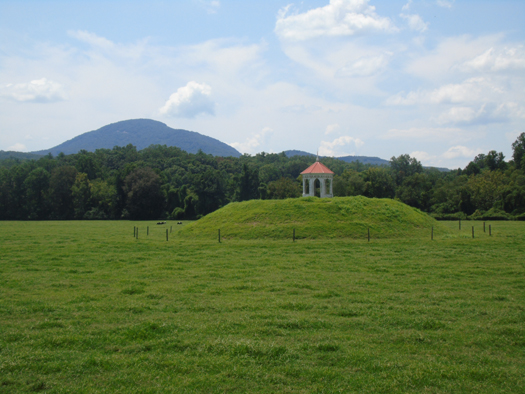
Across from the Hardman homestead is the Sautee Nacoochee Indian Mound, now a signature gazebo-topped landmark along the GA mountain highway
Traveler’s Rest State Historic Site
(Taccoa, GA)
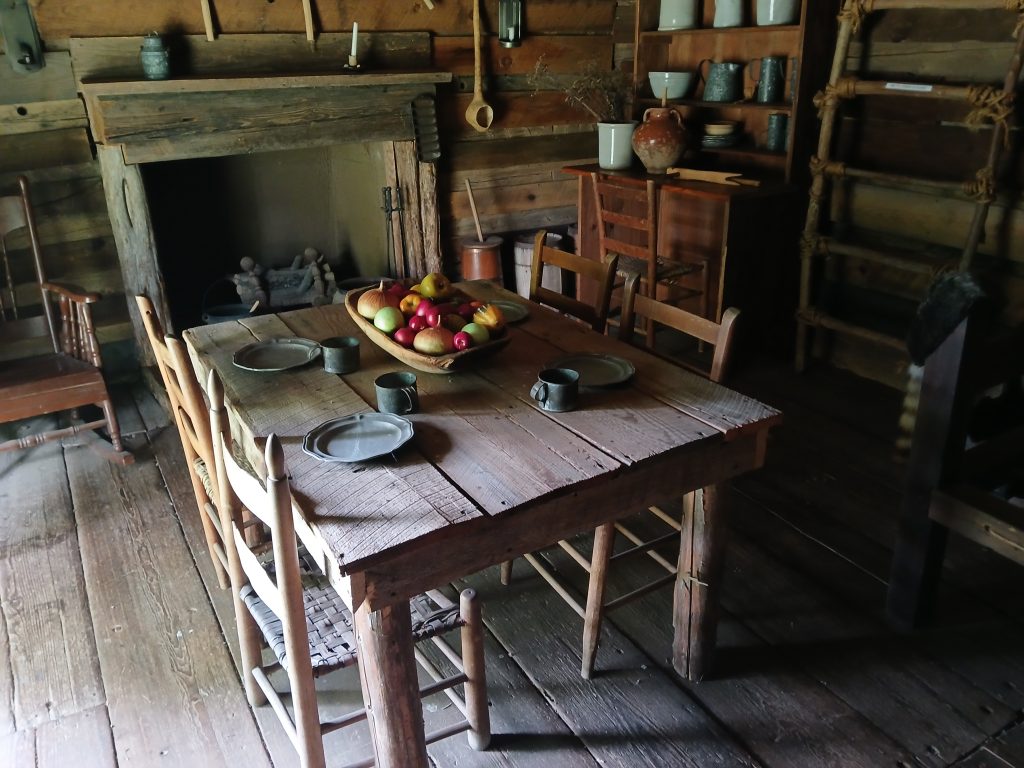
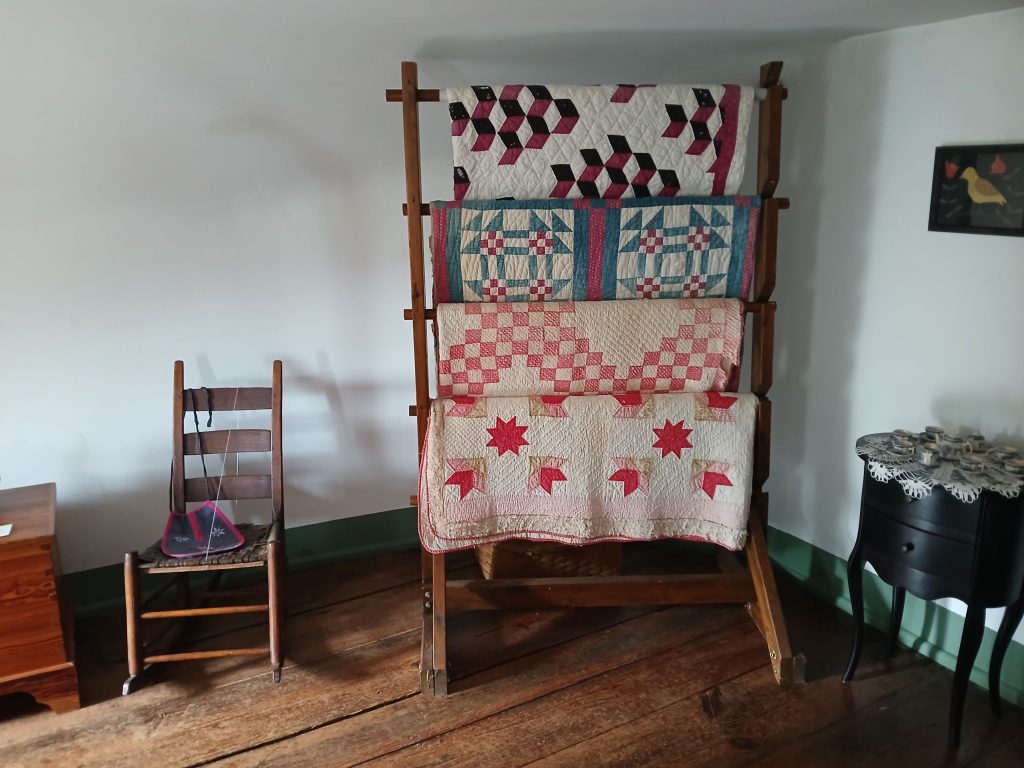
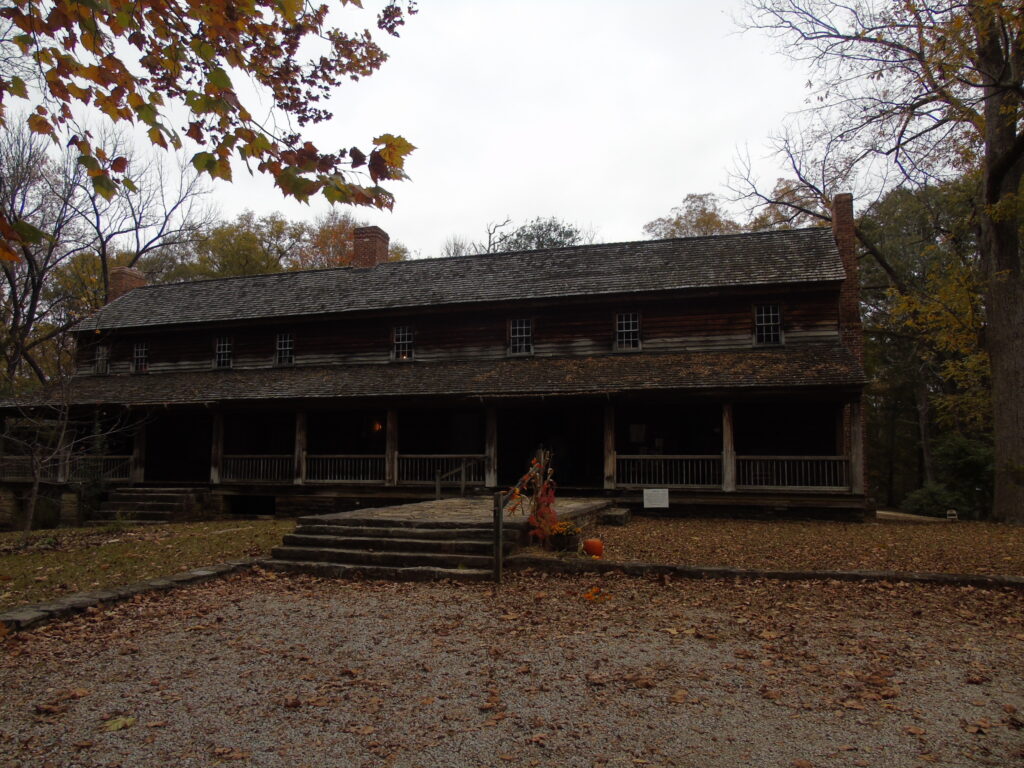
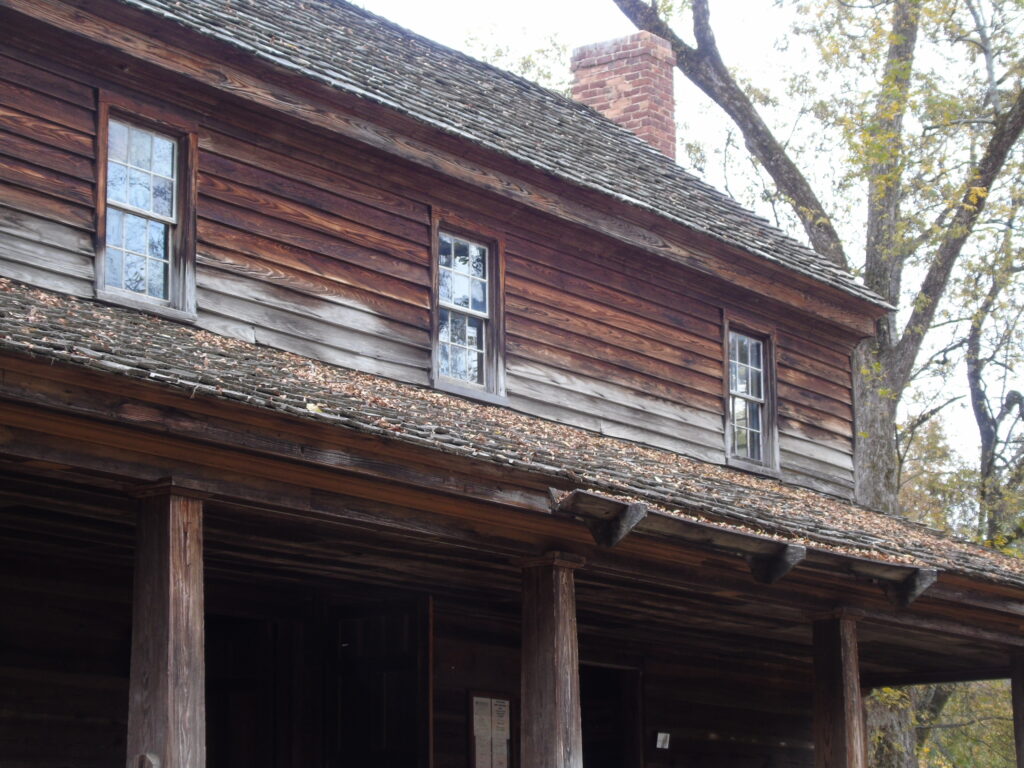
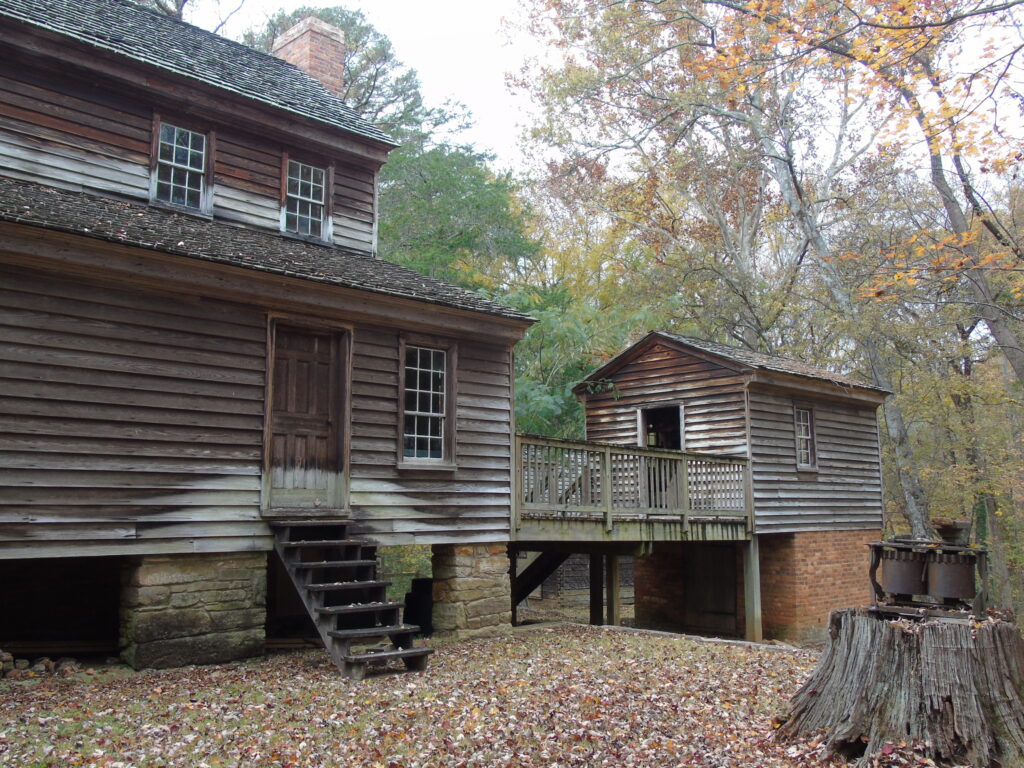
Traveler’s Rest is an old ‘stagecoach inn’ as they call it–a home along the early roads of rural North Georgia as new highways were being built in which workers and later travelers could rent a bed or have a meal for the night along their journey. Built in 1815, the wealthy family that ran the inn continued its use through the 1830s. The only one still left standing largely in tact, the refurbished structure now acts as a kind of museum view of this period in GA history with many original furnishings and both original and reconstructed outlying buildings.
Chief Vann House Historic Site
(Chatsworth, GA)
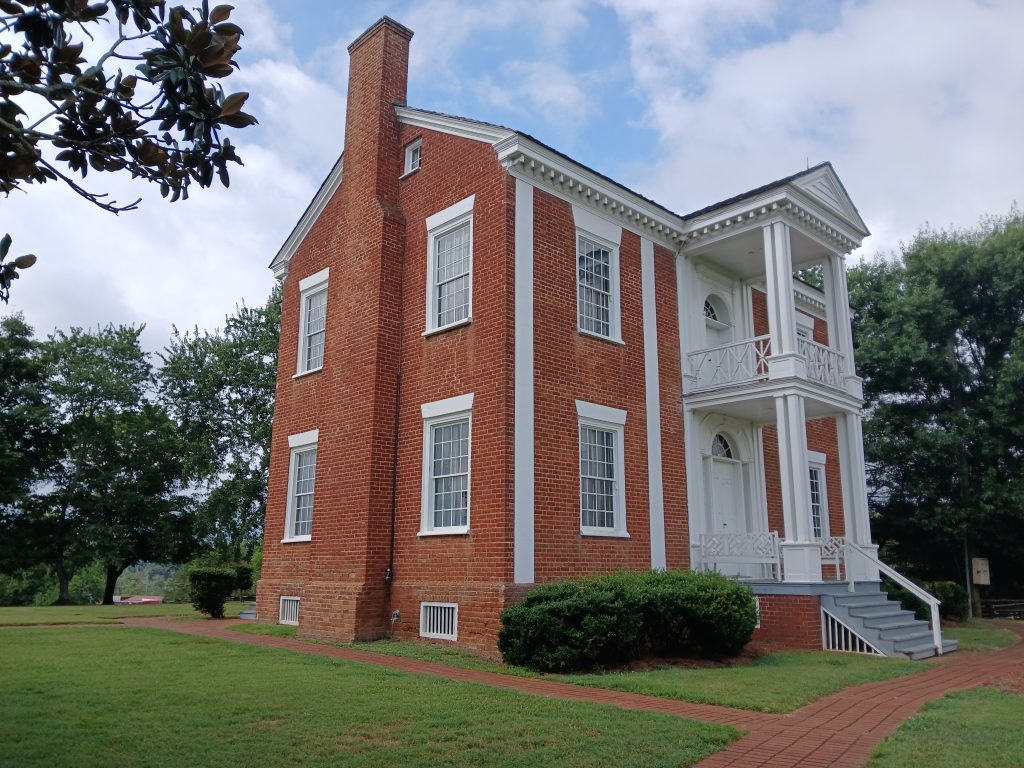
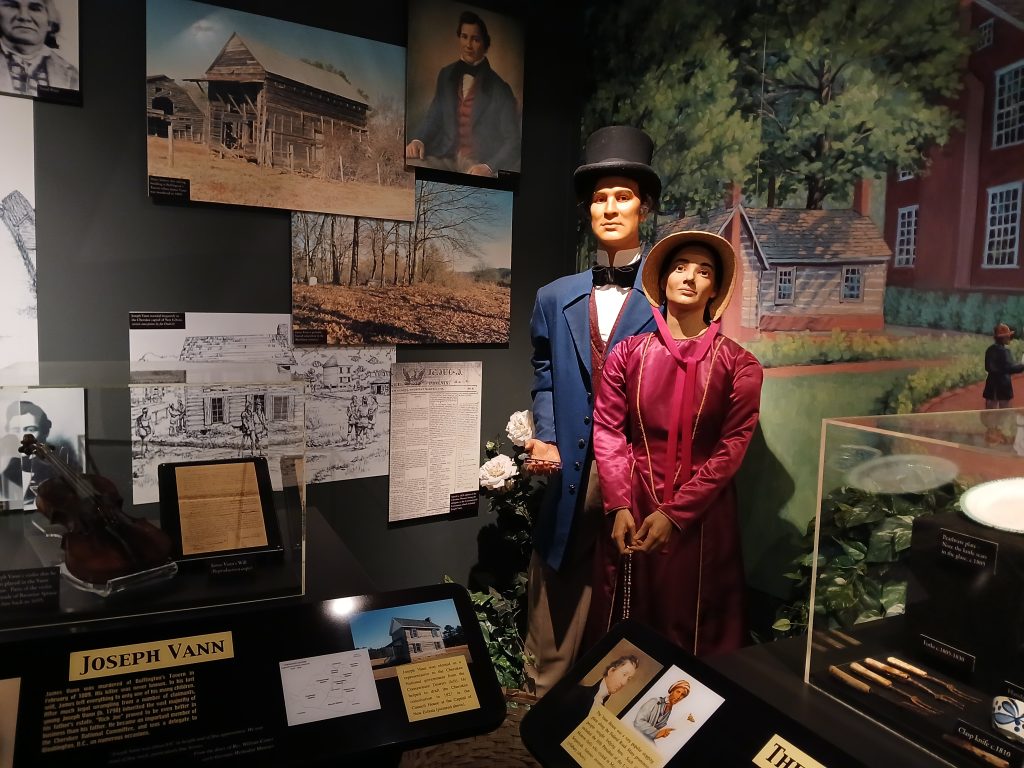
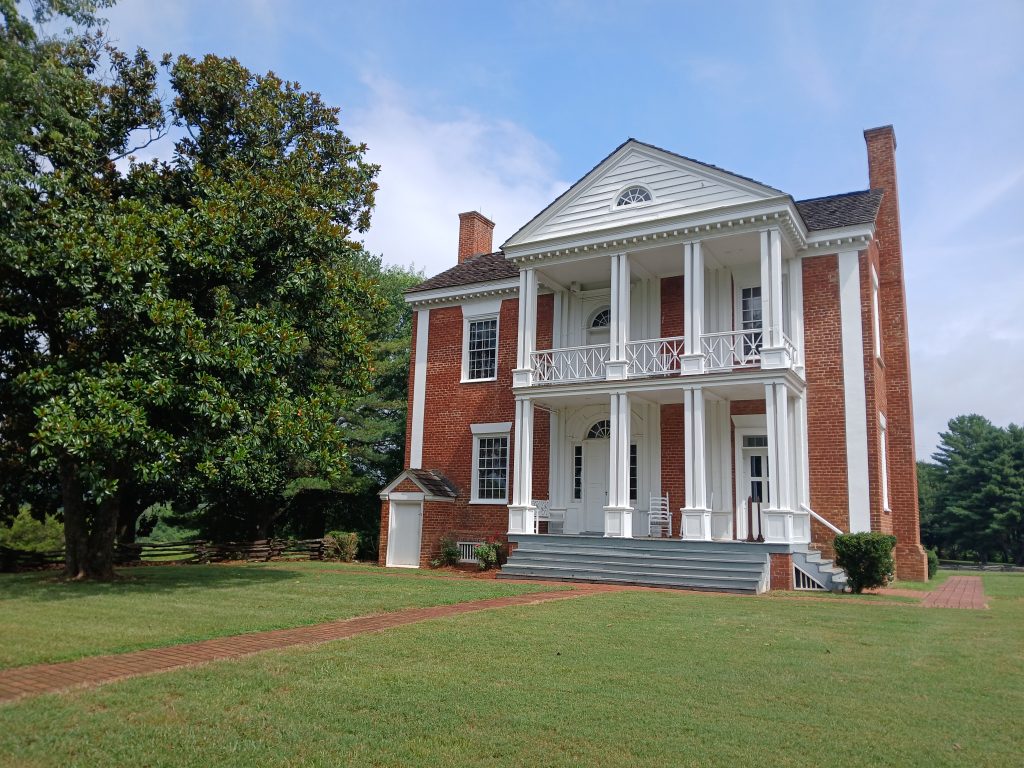
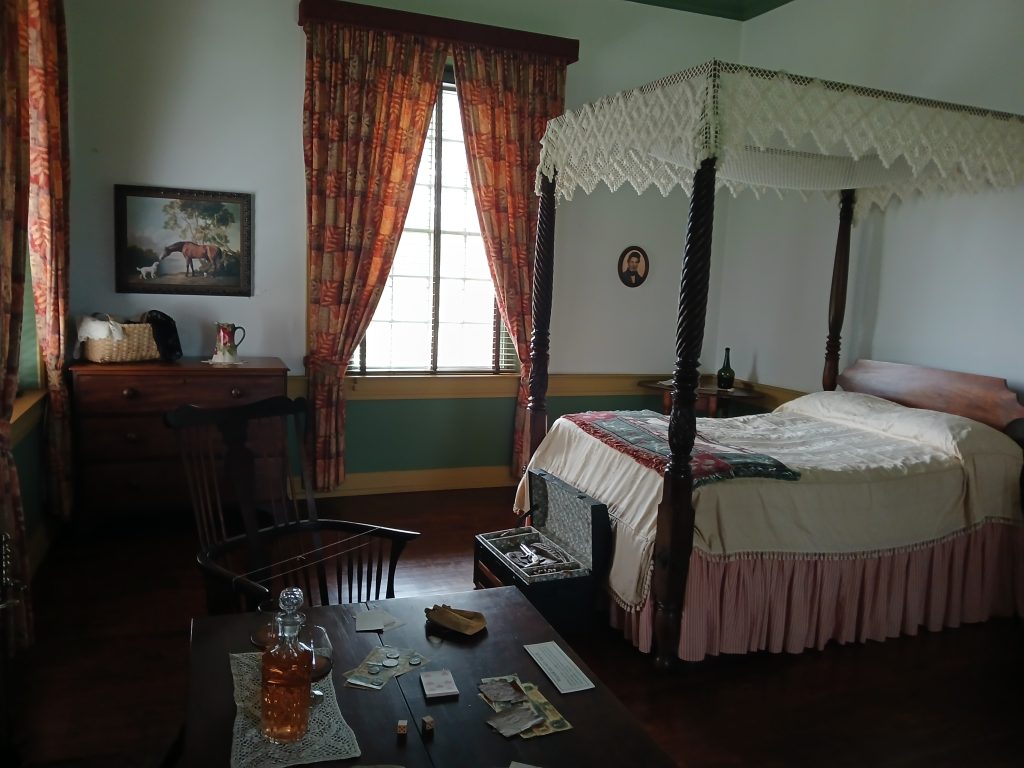
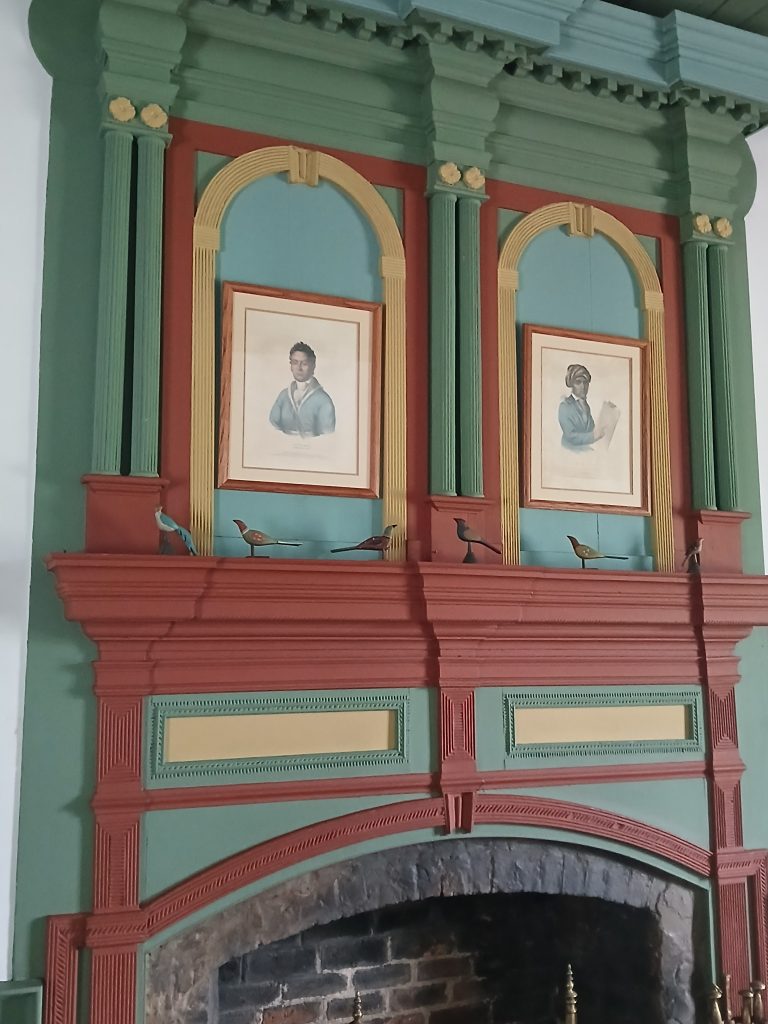
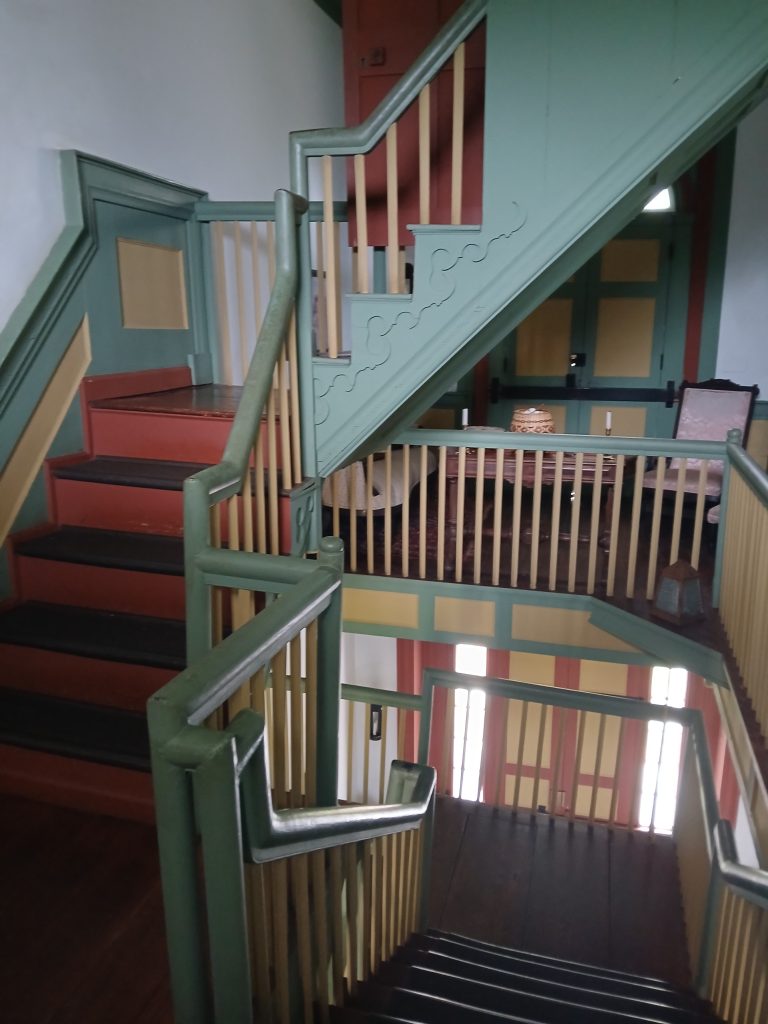
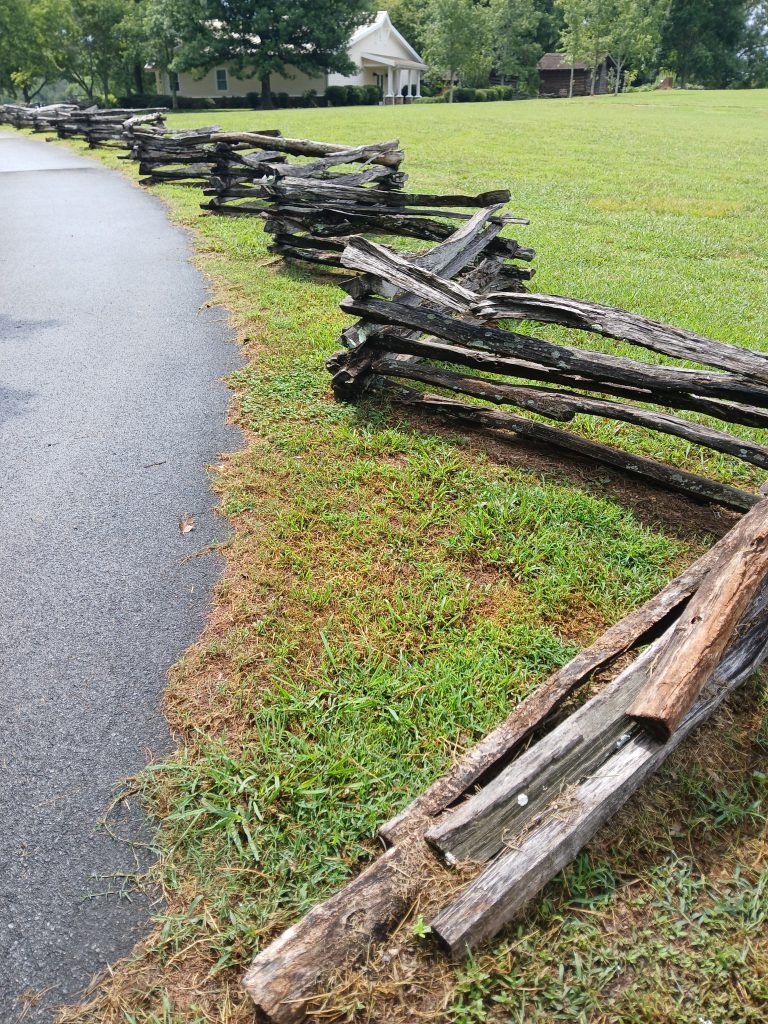
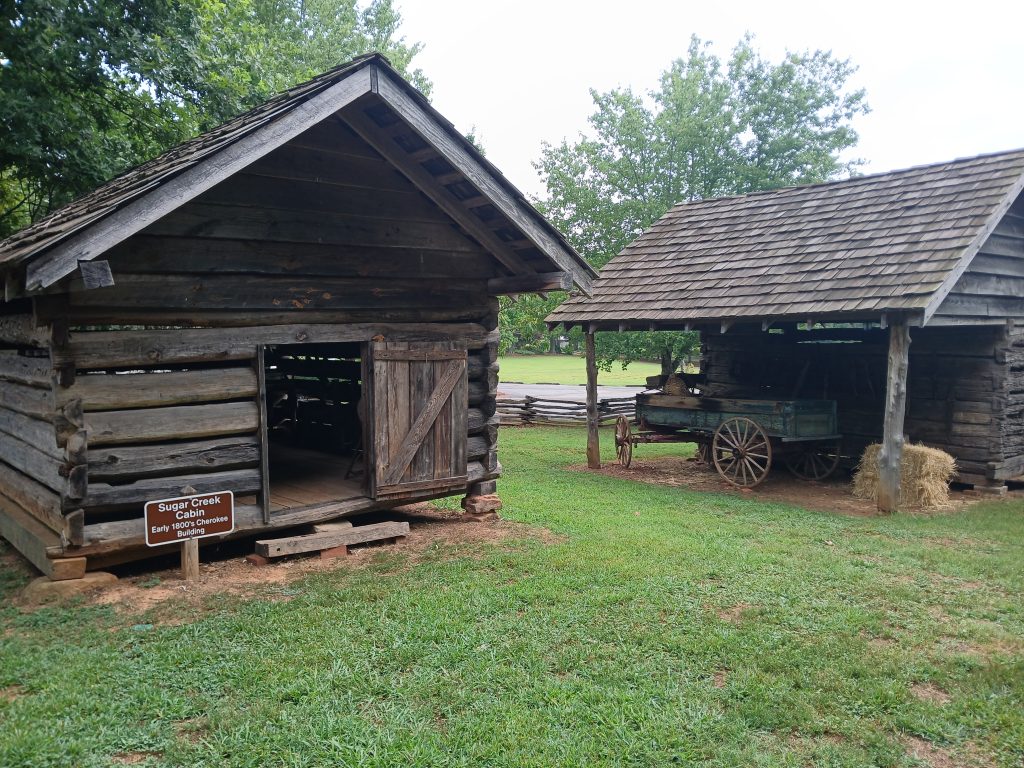
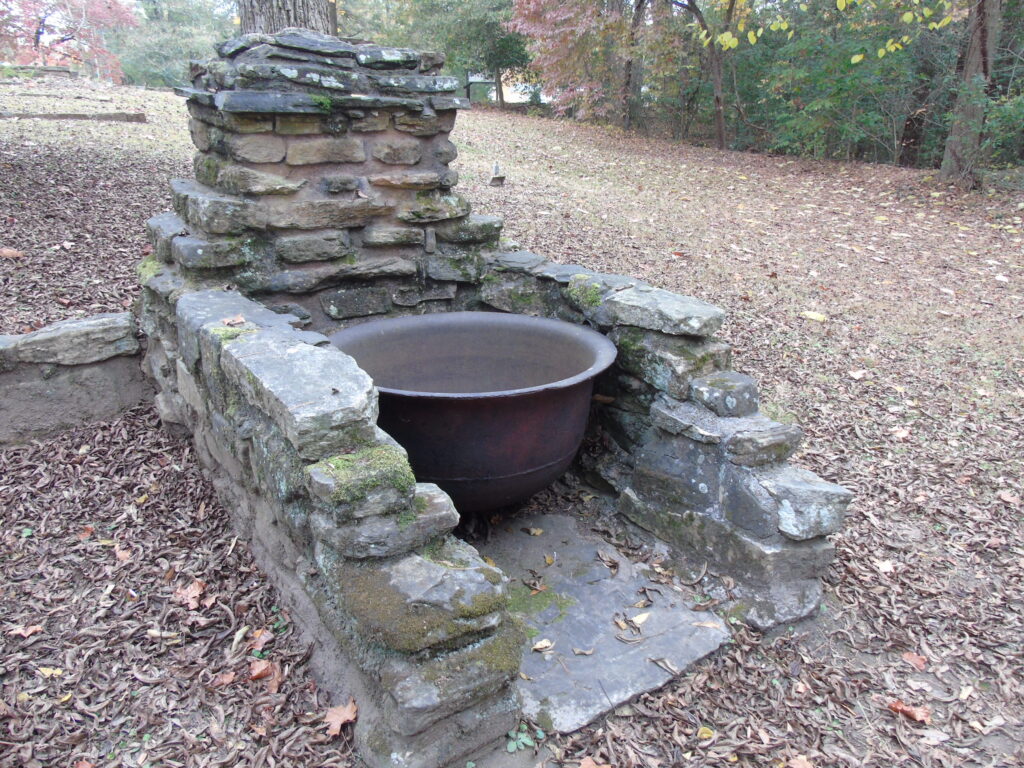
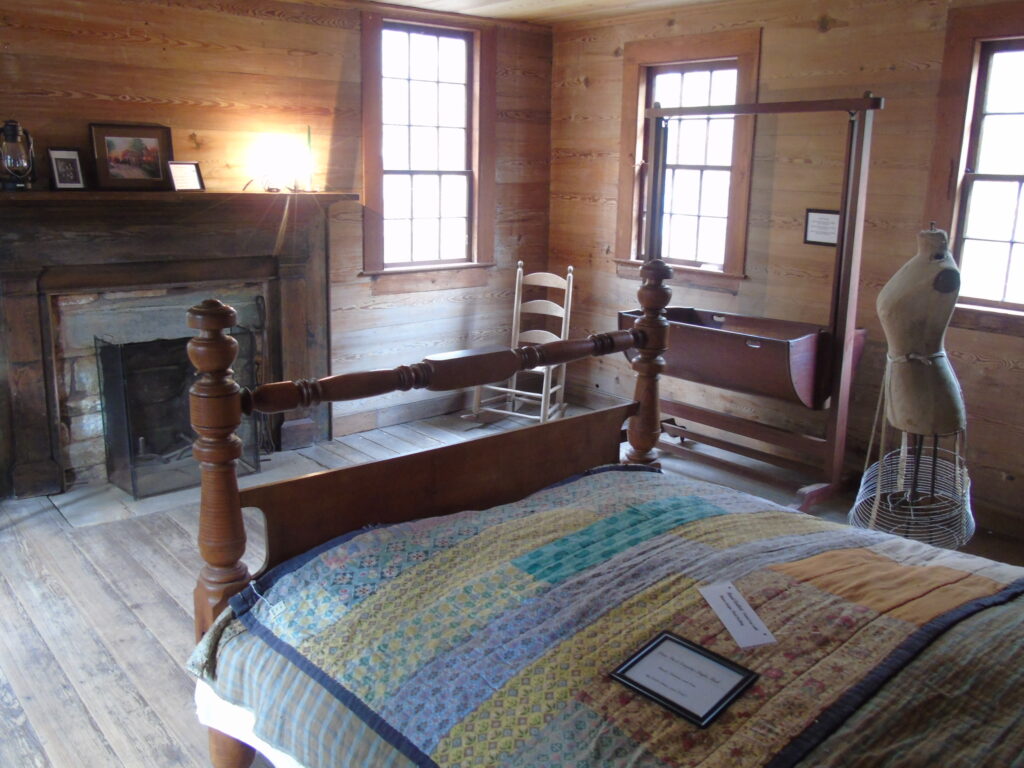
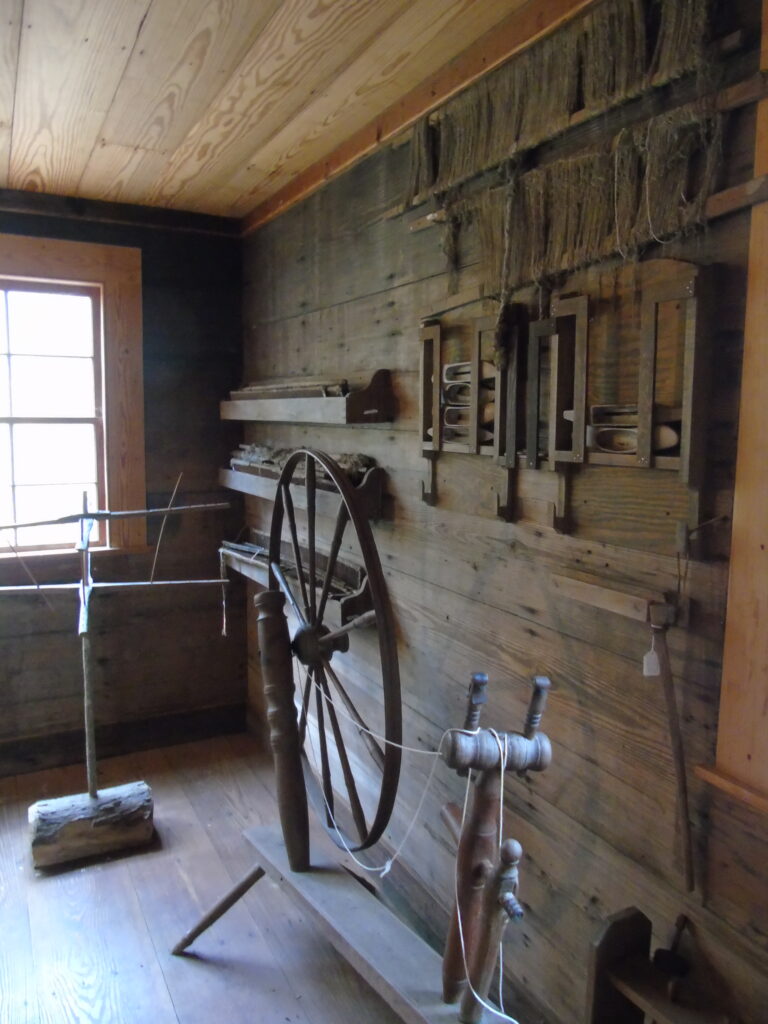
This stately 1804 home was built and owned by wealthy Cherokee tribal leader Joseph Vann and later passed to his son Joe Vann. Located on their large acreage farm, it represented an ascension of sorts as the first brick home within the Cherokee Nation. Unfortunately, US ambition for expansion into Cherokee territory resulted in flimsy excuses being used to evict the family and seize the land, anticipating a large turnout of other natives in the area as part of the Trail of Tears. After passing through many hands, the home and land around it eventually became a state historic site with restoration of the house and the addition of other historic outbuildings like corn cribs and examples of other 19th century Cherokee housing. The informational texts at the park are very well done in their specificity about everything from slavery on the plantation to the Moravian Mission that existed nearby.